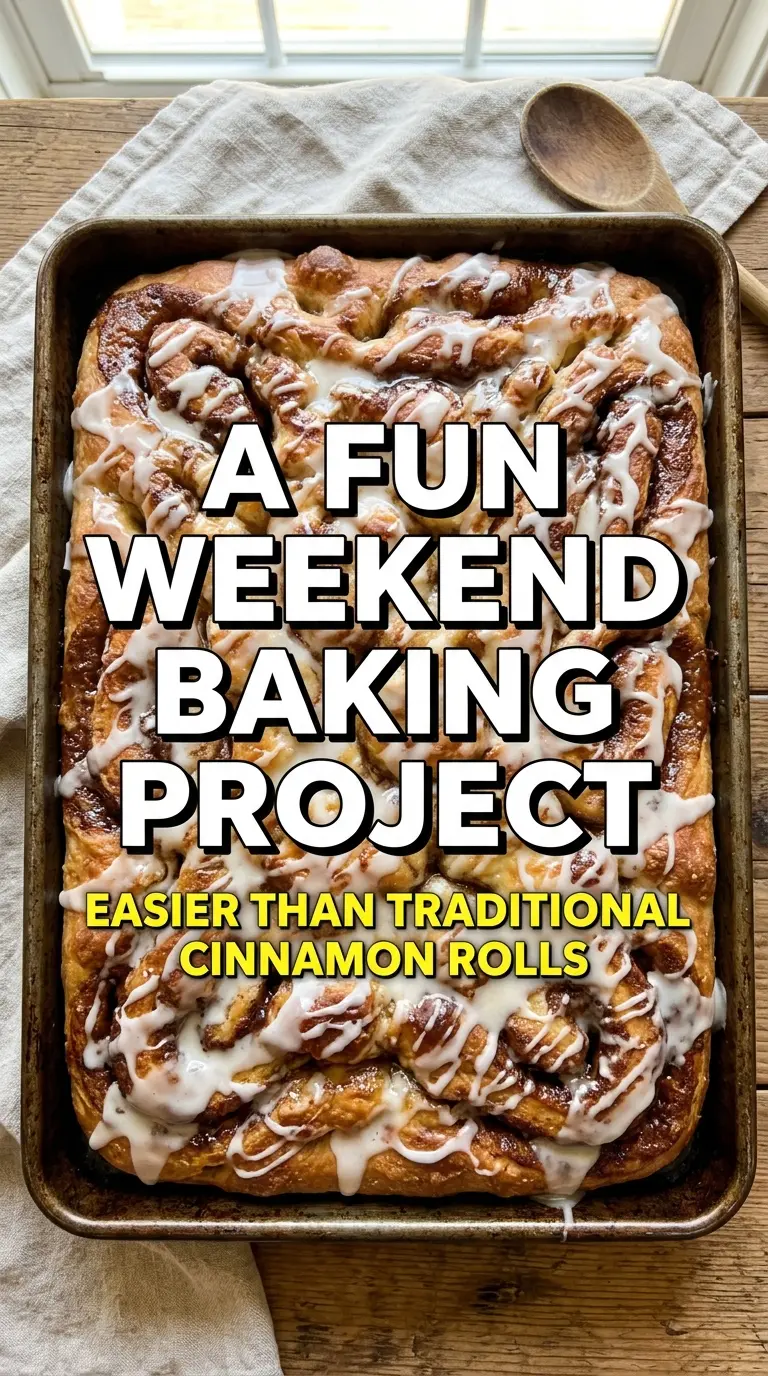
Pillowy bread, warm cinnamon sugar, and a shiny vanilla glaze make this cinnamon roll focaccia the kind of bake that disappears fast from a brunch table. You get the cozy, sticky-sweet pull of a cinnamon roll without all the rolling, slicing, and proofing that usually come with it. The dough bakes up with a crisp, buttery edge and a tender middle that soaks in just enough filling to taste indulgent without turning soggy.
What makes this version work is the balance of fat and heat. The dough gets stretched into the pan, rested, then dimpled so the melted butter settles into little pockets instead of sliding right off. Brown sugar and cinnamon melt into the surface as it bakes, and the softened butter on top gives you those soft, caramelized patches that taste like the center of a cinnamon roll.
Below, you’ll find the one timing detail that keeps the dough from snapping back, plus a few smart ways to adapt this pan for different tastes. If you’ve ever wanted a cinnamon roll bake that feels more relaxed but still tastes bakery-level, this is the one to keep close.
The dough puffed up beautifully and the cinnamon sugar melted into these sticky little pockets on top. I loved that it sliced cleanly after cooling for just a few minutes, and the glaze soaked in without making the middle heavy.
Love the sticky cinnamon-sugar swirl and vanilla glaze? Save this Cinnamon Roll Focaccia for your next weekend baking project.
The Trick to Keeping the Dough Soft Instead of Dense
The biggest mistake with a sweet focaccia like this is rushing the dough into the pan and baking it before it has relaxed. Pizza dough fights back when it’s cold or tense, which leads to tearing, shrinking, and a tighter crumb than you want. That 20-minute rest isn’t decorative. It gives the gluten time to ease up so the dough stretches instead of snapping.
Dimples matter here, too. They do more than give the bread its signature look; they create little valleys that hold butter and cinnamon sugar so the topping bakes into the surface instead of sitting on top like loose sand. If you skip the dimpling or press too lightly, the butter runs off and the top tastes thin.
- Pizza dough — A good store-bought dough works perfectly here, and that keeps this recipe in the easy-bake category. Let it come to room temperature first if it has been chilled, because cold dough is the reason people end up fighting it in the pan.
- Brown sugar — Packed brown sugar gives you the molasses note that makes this taste like a cinnamon roll instead of just sweet bread. Light or dark brown sugar both work; dark will taste deeper and a little more caramel-like.
- Cinnamon — Use fresh cinnamon if yours has been sitting in the cabinet for years. Old cinnamon turns dusty fast, and this recipe depends on that warm spice flavor showing up clearly against the bread.
- Butter — The split use here matters. Melted butter helps the cinnamon sugar stick and soak in, while softened butter creates richer pockets on top during baking. If you only use melted butter, the topping can bake up flatter and less plush.
- Powdered sugar, milk, and vanilla — This glaze should be pourable but not thin enough to disappear. Start with less milk, then add more a teaspoon at a time until it ribbons off the whisk.
Building the Cinnamon Swirl Without Losing the Focaccia Texture
Stretching the Dough in the Pan
Press the dough into the greased pan and let it rest before trying to push it to the corners. If it springs back, stop and give it a few more minutes; forcing it now will tighten the gluten and make the crumb chewy instead of fluffy. You want it to fill the pan in a relaxed, even layer.
Dimpling and Buttering the Surface
Use your fingertips to press deep dimples across the dough, then drizzle on the melted butter. The dough should look slightly uneven and a little puffy around the dents. Those little wells catch the filling, so don’t smooth them out again after you’ve made them.
Adding the Cinnamon Sugar and Butter Pockets
Mix the brown sugar and cinnamon, then scatter it evenly over the dough so every bite gets some sweetness. Dot the softened butter across the top in small pieces. During baking, those bits melt into rich patches that help the top stay tender instead of dry and sandy.
Baking to a Golden Edge
Bake until the top is deep golden and the center feels set when you nudge the pan. If the edges are browning too quickly, the oven is usually running hot, so start checking a few minutes early. The bread should look fully puffed and smell like toasted sugar before you pull it out.
Glazing While Warm
Whisk the powdered sugar, milk, and vanilla until smooth, then drizzle it over the warm focaccia. Warm bread helps the glaze melt just enough to seep into the surface without disappearing completely. If you wait until the bread is cold, the glaze sits on top in a thick layer instead of giving you that soft, sweet finish.
How to Adapt This for Different Tastes and Schedules
Dairy-Free Version
Use a dairy-free butter substitute in both places and swap in an unsweetened non-dairy milk for the glaze. The texture still works, but the flavor will be a little less rich, so choose a butter alternative that tastes good on its own rather than one that only works for baking.
Extra-Cinnamon, Bakery-Style Top
If you want a stronger cinnamon hit, add an extra teaspoon to the filling and a pinch to the glaze. That gives you a more pronounced spice note, but keep the glaze balanced so it still tastes clean and sweet instead of heavy.
Make-Ahead Dough Rest
You can press the dough into the pan and let it rest for a bit longer before topping it if dinner or brunch timing is tight. Cover it lightly so the surface doesn’t dry out, then dimple and top it right before baking. That longer rest won’t hurt the bread as long as the dough stays relaxed and protected.
Storage and Reheating
- Refrigerator: Store leftovers covered for up to 3 days. The bread stays soft, though the glaze will sink in a little more by day two.
- Freezer: Freeze slices tightly wrapped for up to 2 months. Thaw at room temperature; the texture is best before the glaze gets fully soaked in, so freeze once cooled.
- Reheating: Warm individual slices in a 300°F oven for about 8 minutes or use short bursts in the microwave. Don’t blast it too long or the sugar will turn sticky in the wrong way and the bread can tighten up.
Answers to the Questions Worth Asking
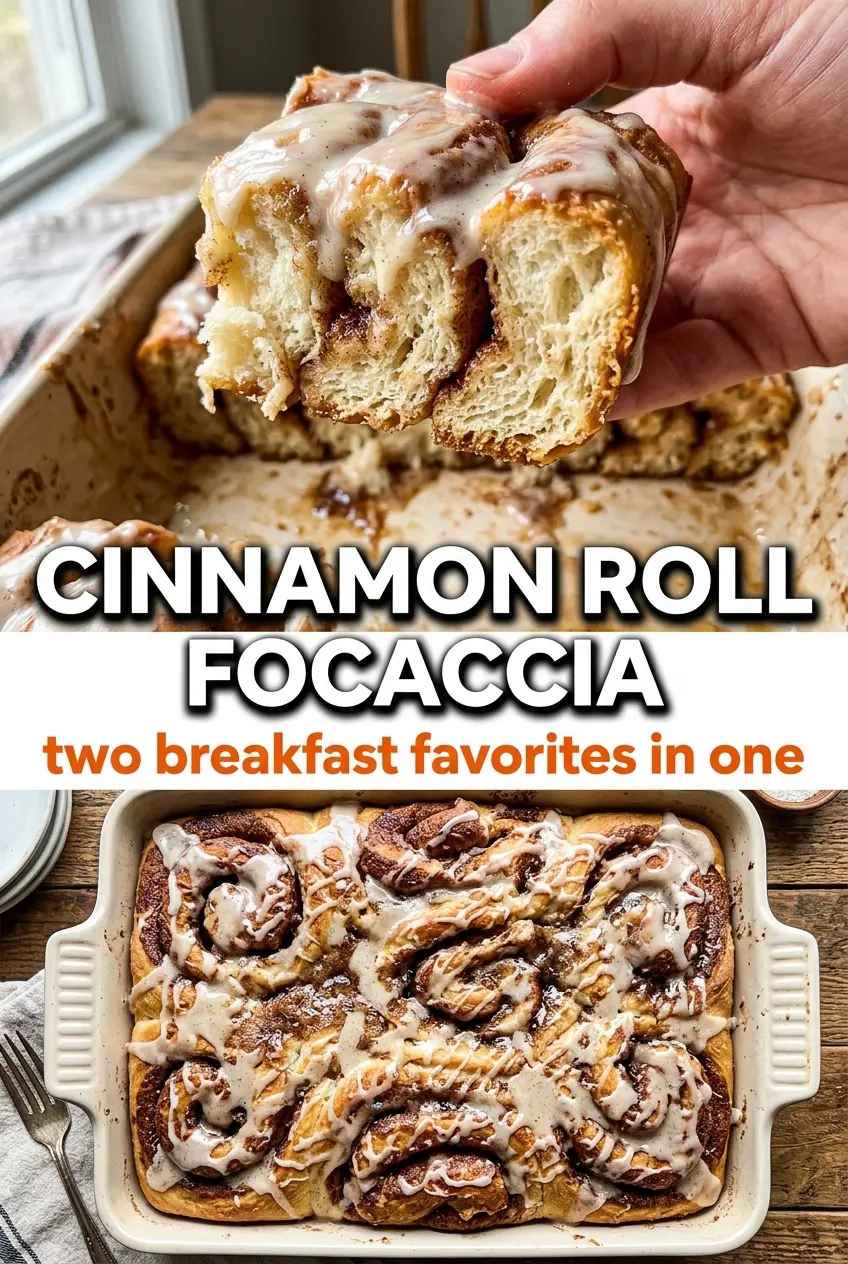
Cinnamon Roll Focaccia
Ingredients
Equipment
Method
- Preheat the oven to 400°F and grease a 9x13-inch baking pan. Press the pizza dough into the pan, stretching to fit, then let it rest for 20 minutes to relax.
- Dimple the dough all over with your fingers and drizzle with 2 tablespoons melted butter. Spread the butter so it lightly pools in the dimples for extra tenderness.
- Combine the brown sugar and ground cinnamon, then sprinkle evenly over the dough. Aim for an even layer so each slice gets cinnamon-sugar coverage.
- Dollop the softened butter over the top in small pieces. Keep pieces spaced so they melt into pockets while baking.
- Bake for 20–25 minutes at 400°F, until the focaccia is golden and cooked through. Look for browning on the edges and a set center when you lightly press.
- Whisk together the powdered sugar, milk, and vanilla extract, then drizzle over the warm focaccia before slicing. Let the glaze slightly set so it clings to the craggy surface.